The Benefits of a Reggio-Emilia Education for Young Learners


Understanding the Reggio-Emilia Approach
The Reggio-Emilia approach to education is an innovative and inspiring method developed in Italy after World War II. It focuses on preschool and primary education, emphasizing a child-centered approach. This educational philosophy is based on the principles of respect, responsibility, and community through exploration and discovery in a supportive and enriching environment.
Child-Centered Learning
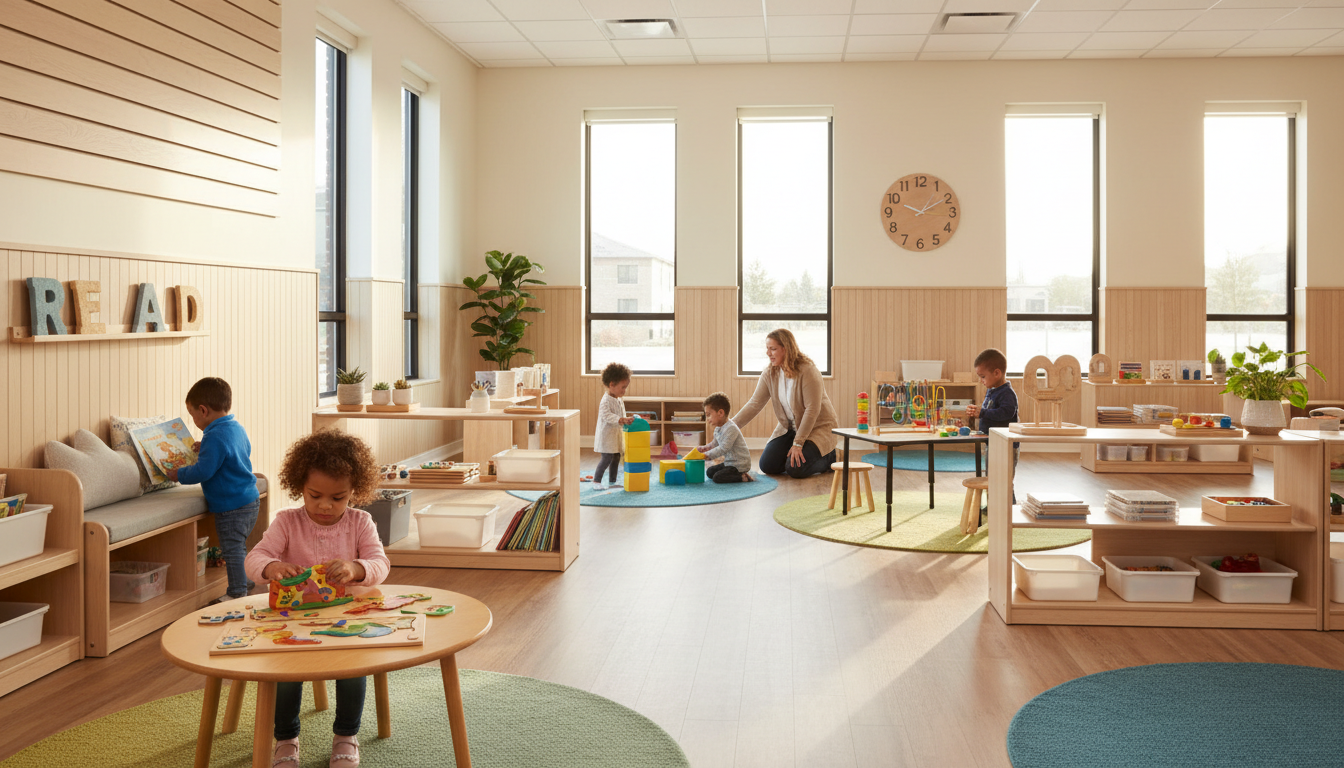
One of the core tenets of the Reggio-Emilia approach is that it places the child at the center of their own learning experience. This method encourages children to explore their interests, leading to a more engaging and personalized learning journey. Teachers act as guides, supporting children as they navigate their educational paths.
By fostering an environment where children feel empowered to make choices, the Reggio-Emilia approach helps develop critical thinking and problem-solving skills. This active participation in learning instills confidence and a love for lifelong learning.
Role of the Environment
In Reggio-Emilia education, the environment is often referred to as the "third teacher." Classrooms are designed to be welcoming and filled with natural light, colors, and textures. They are equipped with various materials that encourage exploration and creativity, from art supplies to natural objects.
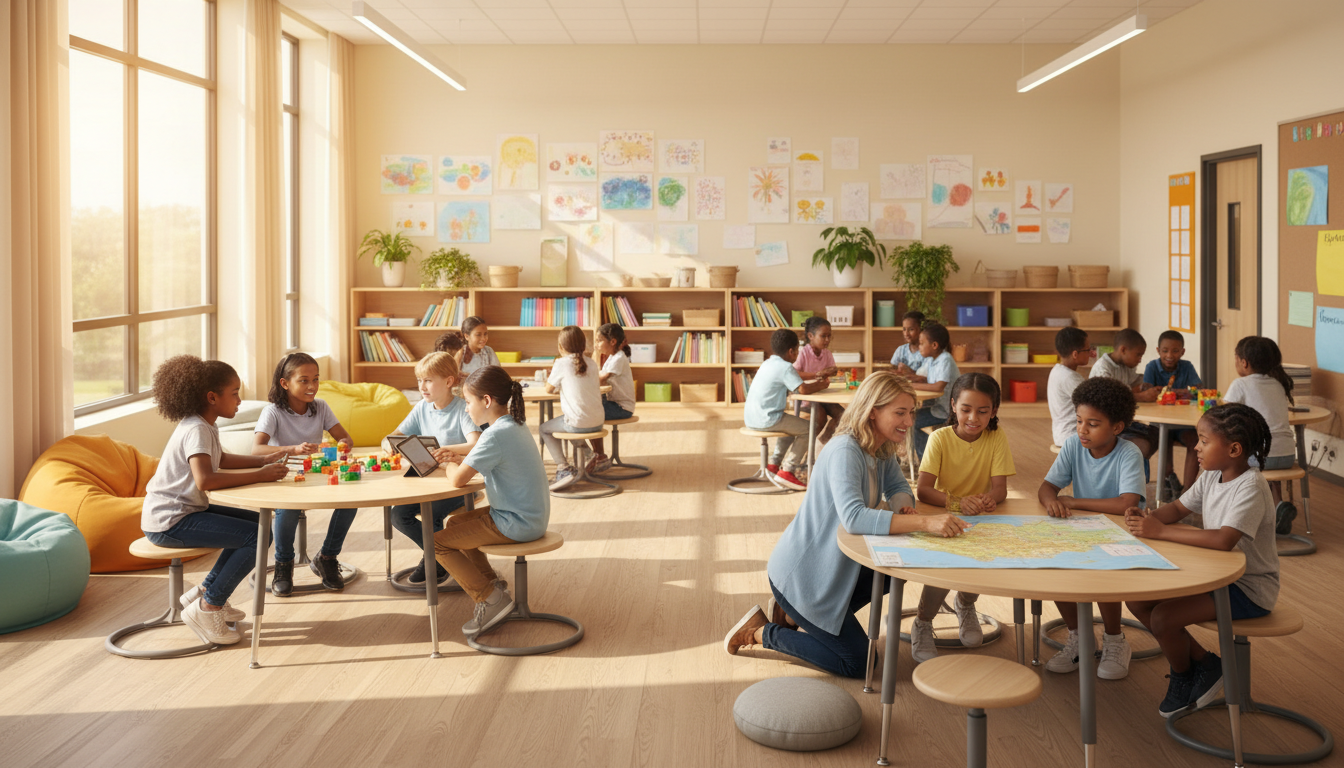
This thoughtfully arranged setting helps stimulate children's curiosity and encourages collaboration. Spaces are often flexible and can be adapted to meet the evolving needs of the children, allowing for dynamic and interactive learning experiences.
Collaboration and Community
Collaboration is a cornerstone of the Reggio-Emilia approach. Children are encouraged to work together on projects, which fosters a sense of community and teaches important social skills. This collaborative effort extends beyond the classroom, as parents and the wider community are actively involved in the educational process.
By engaging families and communities, children learn the value of teamwork and develop a deeper connection to their surroundings. This involvement also ensures that education is a shared experience, enriching the learning process and strengthening bonds.

Documentation and Reflection
Documentation plays a crucial role in the Reggio-Emilia approach. Teachers meticulously record children's activities and progress through photos, videos, and written observations. This documentation serves multiple purposes: it helps teachers assess development, allows children to reflect on their learning, and informs parents about their child's experiences.
Reflection is encouraged among children, helping them to think critically about their activities and interactions. This process of reflection further deepens their understanding and promotes self-awareness.
Long-Term Benefits
The benefits of a Reggio-Emilia education extend far beyond early childhood. Children educated in this way often develop strong communication, collaboration, and problem-solving skills. They are typically more adaptable and exhibit a strong sense of empathy and social responsibility.
Overall, the Reggio-Emilia approach provides a rich, engaging, and supportive environment that nurtures young learners and prepares them for future success. By focusing on the child's interests and fostering a collaborative community, this educational philosophy creates a strong foundation for lifelong learning and personal growth.