Integrating STEAM in Early Education: The Learning Fresh Approach


Understanding STEAM Education
Incorporating STEAM—Science, Technology, Engineering, Arts, and Mathematics—into early education is a forward-thinking approach that aims to prepare children for the challenges of the future. By blending these disciplines, young learners not only acquire foundational knowledge but also develop critical thinking and problem-solving skills.
STEAM education encourages curiosity and creativity, making learning more engaging and enjoyable. It provides children with opportunities to explore, experiment, and innovate, fostering a love for learning that can last a lifetime.

The Learning Fresh Approach
Learning Fresh takes a unique approach to integrating STEAM in early education by emphasizing real-world applications and hands-on experiences. This method helps students see the relevance of what they are learning and how it applies beyond the classroom.
By using interactive projects and collaborative activities, Learning Fresh encourages teamwork and communication among students. These skills are essential in today's interconnected world and help children build confidence in their abilities.

Hands-On Learning
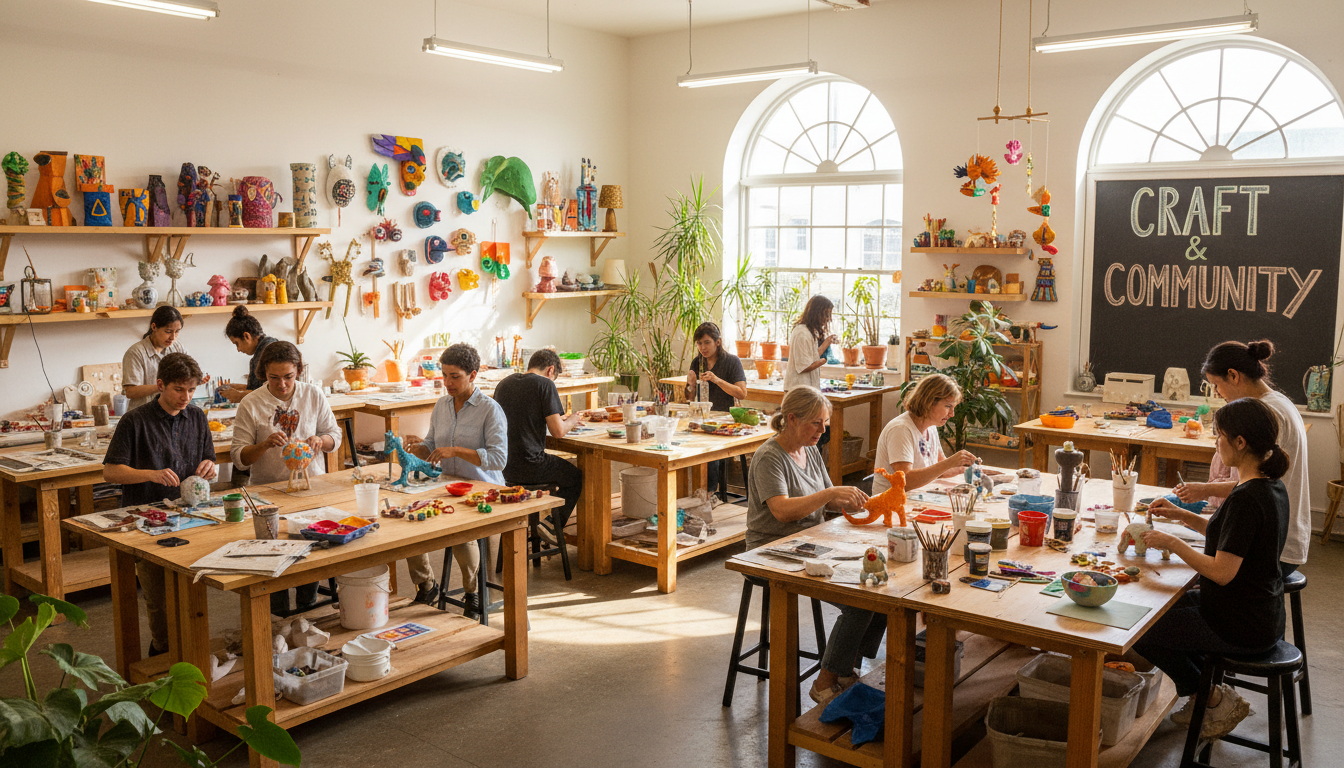
One of the key components of the Learning Fresh approach is hands-on learning. This strategy allows students to engage in practical activities that make abstract concepts more tangible. Whether it's building simple machines or creating art from recycled materials, hands-on projects ignite curiosity and encourage exploration.
These activities also help develop fine motor skills and enhance cognitive abilities, making them an integral part of the learning process. By actively participating, students gain a deeper understanding of the subjects they study.
Real-World Applications
An important aspect of STEAM education is showing students how their learning applies to real-world situations. Learning Fresh incorporates projects that connect classroom lessons to everyday life, making education relevant and meaningful.
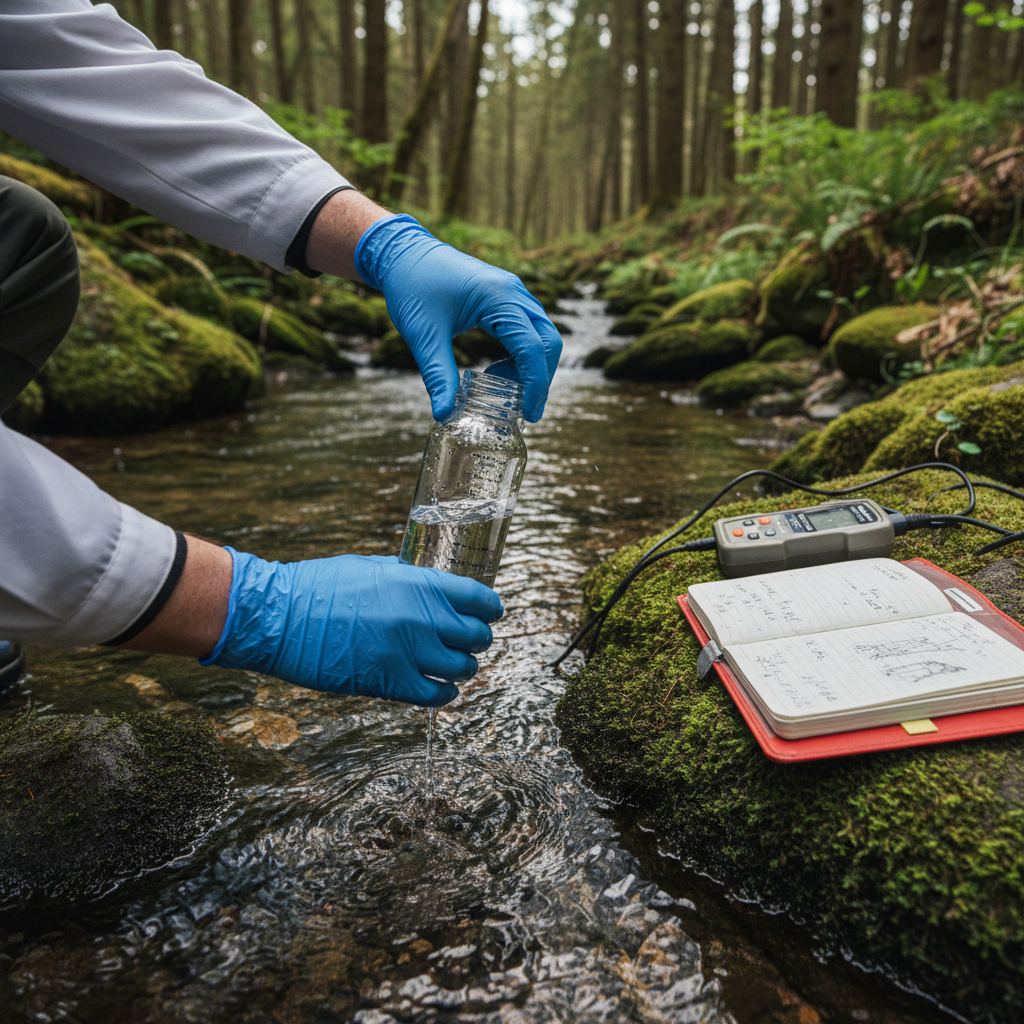
For instance, students might explore environmental science by studying local ecosystems or engage in math through real-life budgeting exercises. These experiences help students understand the impact of their learning on the world around them.
Encouraging Innovation
Innovation is at the heart of the Learning Fresh approach. By encouraging students to think creatively and explore new ideas, Learning Fresh empowers them to become innovators of tomorrow. This mindset is cultivated through open-ended projects where there is no single right answer, allowing students to experiment and learn from their mistakes.
Such experiences prepare students to tackle future challenges with confidence and creativity, equipping them with the skills needed to thrive in a rapidly changing world.

Conclusion
Integrating STEAM in early education through the Learning Fresh approach offers students a holistic learning experience that is both engaging and practical. By focusing on real-world applications, hands-on learning, and fostering innovation, this method prepares young learners for a future full of possibilities.
As educators and parents, embracing this approach can help nurture a new generation of thinkers, creators, and problem-solvers who are ready to make a positive impact on the world.